Exploring Fear and Folklore in 'Exhumed' by Aaron Mahnke
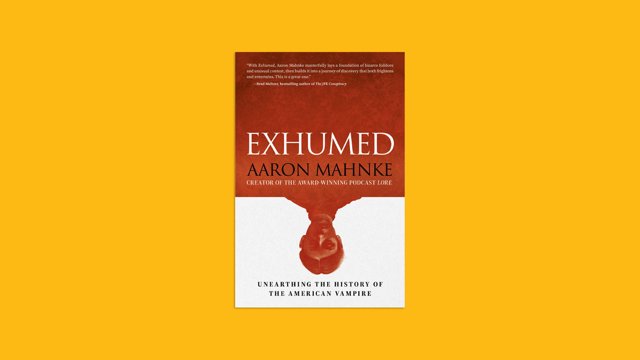
As the leaves begin to fall and the air turns crisp, October wraps us in its warm embrace. For those of us who find joy in the spooky and the strange, this month offers a delightful feast of eerie tales and chilling histories. One book that has recently caught my attention is Exhumed by Aaron Mahnke, a captivating exploration of America's first vampire and the fears that shaped our culture.
Set against the backdrop of Exeter, Rhode Island in 1892, Mahnke recounts the haunting tale of the Brown family. As tuberculosis ravaged the town, it claimed the lives of matriarch Mary and her daughters, Mary O. and Mercy. The fear of the unknown took root when Edwin, the only surviving son, fell ill with similar symptoms. In a desperate attempt to unravel the mystery, the townsfolk resorted to exhuming the bodies of the deceased women, suspecting that one of them was an undead vampire, preying on Edwin's life.
What they discovered was chilling. Mercy's body was remarkably well-preserved, her hair and nails appearing longer than they should have been. When her skin was pierced, blood oozed forth, fueling the townspeople's fears and confirming their darkest suspicions. To rid themselves of this supposed vampire, they burned her heart, yet tragedy struck as poor Edwin succumbed to the disease. Mahnke's research reveals how these strange events provided inspiration for Bram Stoker's iconic Dracula, published just five years later.
While the cause of tuberculosis was known long before Mercy's tale, the struggle to accept scientific truths often leads to strange and irrational beliefs. Mahnke invites us to reflect on the past without judgment, reminding us that storytelling has always been humanity's way of making sense of the inexplicable. He illustrates how the rituals and superstitions of the past echo in modern practices, as we grasp for control over our most profound fears.
As I turned the pages of Exhumed, I marveled at fascinating tidbits, such as Leonardo da Vinci’s interest in corpse medicine, believing that the dead could still offer vitality to the living. It’s intriguing to see how historical fears manifest in different forms today. The rituals may change, but our tendency to seek comfort in stories remains a constant thread through time.
In closing, Mahnke's work serves as a reminder that while science advances, our fears and our need for narrative understanding continue to shape our lives. As we navigate this October, let’s embrace the stories that connect us to the past, while we reflect on the quirky ways we face our fears in the present.



💬 Comments
Log in to join the conversation.
No comments yet.