Peter Gabriel's Departure from Genesis: A Journey of Friendship and Growth
In the world of music, the threads of friendship can weave intricate patterns, sometimes leading to unexpected separations. Peter Gabriel's exit from Genesis in 1975 is one such story, marked by a blend of camaraderie and conflict. In a recent interview, Gabriel reflected on his time with the band and the choices that shaped his career, revealing insights into the dynamics that often exist between artists.
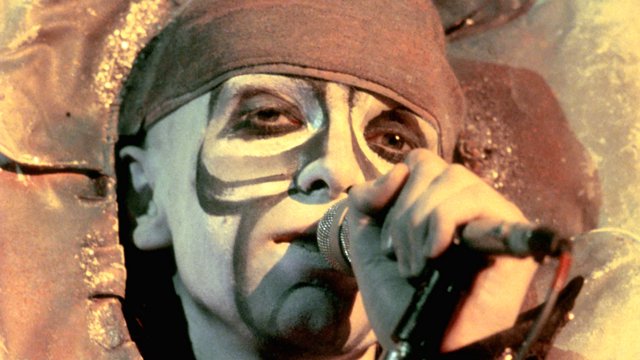
Co-founding Genesis in 1967, Gabriel quickly became the band's charismatic frontman. His theatrical stage presence, adorned with unforgettable costumes, was a stark contrast to the more traditional image that drummer Phil Collins sought to project. Gabriel recalls this tension with a sense of humor, understanding that their differing visions contributed to the band's unique identity. Yet, it was this very blend of personalities that made their collaboration both exhilarating and challenging.
As Gabriel recounts, his relationship with keyboardist Tony Banks was particularly complex, oscillating between close friendship and fierce rivalry. They were bound by a shared passion for music but often found themselves at odds over creative decisions. This duality of being “vicious enemies and best friends” illustrates the intense emotional landscape that artists navigate when working together. Such dynamics are not uncommon in creative fields, where the stakes are high, and personal investments run deep.
In a pivotal moment of his life, Gabriel decided to leave Genesis, driven by a need to focus on personal matters, including the health of his newborn daughter. His departure was not rooted in doubt about the band’s future, but rather in a desire for balance. Gabriel’s confidence in Genesis continuing to thrive without him speaks volumes about his belief in the band’s potential. This decision, while heart-wrenching, ultimately allowed him to explore his own musical journey.
Post-Genesis, Gabriel forged a successful solo career, producing iconic albums that resonated with audiences worldwide. Songs like “Solsbury Hill” emerged from his desire to find confidence outside the band’s shadow, showcasing his growth as an artist. The whimsical nature of “Sledgehammer,” which became his biggest hit, serves as a reminder of how creativity can flourish even in unexpected circumstances.
Peter Gabriel’s story is a testament to the complexity of artistic relationships and the transformative power of personal choices. His journey from a band member to a solo artist is filled with lessons about friendship, ambition, and the importance of following one’s own path. As we listen to his music today, we can appreciate not only the melodies but the rich narrative behind them, echoing the sentiments of shared struggles and the beauty of individual expression.





💬 Comments
Log in to join the conversation.
No comments yet.