Art and Activism: A Controversial Stand at the Venice Biennale
Art and Activism: A Controversial Stand at the Venice Biennale
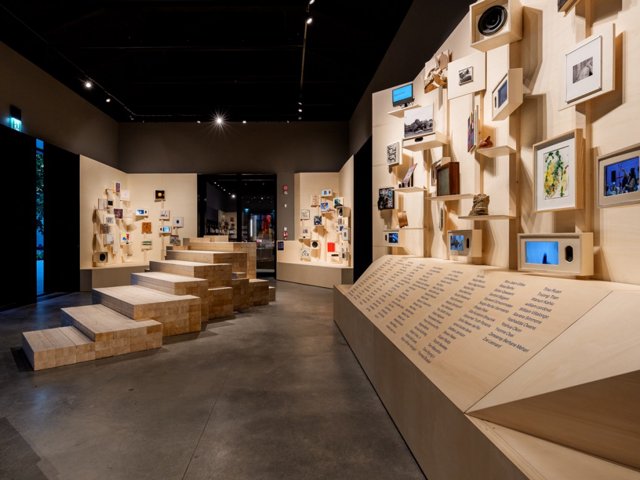
In a bold move that has sparked discussion across the art world, actor Eric Rasmussen recently shared his decision to withdraw his contribution from a significant installation at the Venice Biennale. The installation, titled Chimera, was a collaborative project by Denniston Hill, an artist residency in New York. What prompted Rasmussen's action? He voiced his concerns over what he perceived as the residency's political stance against Israel, claiming it supports the "eradication" of the nation.
Rasmussen's contribution was a poignant piece: a drawing created by his mother during her childhood, depicting Adolf Hitler. He had repurposed this drawing for the Biennale, adding a caption that read, “Mom’s childhood drawing 1943. The Toxicity of the Past?” This piece was intended as a reflection on both historical and contemporary issues of authoritarianism and antisemitism. However, after a communication from Denniston Hill regarding their alignment with the Art Not Genocide Alliance (ANGA) and the controversy surrounding the Biennale's host countries, Rasmussen felt compelled to act.
In his op-ed published in the Jewish Journal, Rasmussen expressed that Denniston Hill's support for a letter signed by over 70 Biennale participants—which criticized the event's alleged political neutrality—was troubling. He argued that the organization's alignment with ANGA, which protests Israel's presence at the Biennale, seemed to aim for the complete dismantling of Israel rather than merely addressing its policies. This perspective led him to believe that the installation no longer represented his artistic vision or values.
Rasmussen’s withdrawal raises important questions about the intersection of art and political expression. Can art serve as a platform for activism, or can it also become a battleground for ideological conflict? The Venice Biennale, with its long history of showcasing global artistic talent, has often found itself at the center of political debate. By removing his work, Rasmussen not only distanced himself from the installation but also sparked a larger conversation about the responsibilities of artists and organizations in politically charged environments.
Ultimately, Rasmussen's actions reflect a deeply personal choice, rooted in his beliefs about art, identity, and history. As the Biennale continues to unfold, it will be fascinating to see how other artists respond to the ongoing political climate and what messages will emerge from this prestigious platform. Art is not just about aesthetics; it’s about dialogue, and Rasmussen has certainly ignited one with his recent decision.






💬 Comments
Log in to join the conversation.
No comments yet.