Understanding the New Warning on GLP-1 Drugs and Eye Health
Hello, Nudgeville friends! Today, I've got some important information to share about a recent update regarding GLP-1 medications. These drugs are commonly used to manage diabetes and obesity, but a new warning from the FDA has brought attention to a rare eye condition that could be linked to their use. Let's dive into what this means for those of you using these medications.
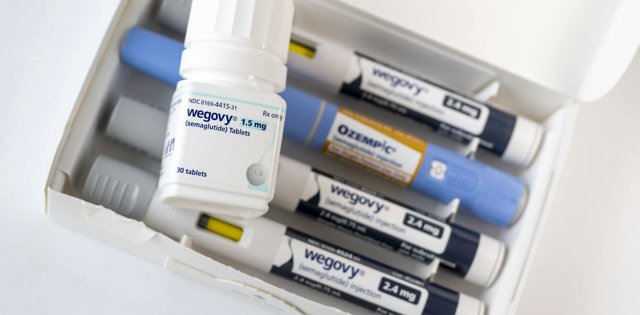
The FDA recently announced that GLP-1 drugs must now carry a warning label about a potential risk of an eye condition known as non-arteritic anterior ischemic optic neuropathy (NAION). This condition is often described as a 'stroke of the eye' and can lead to serious visual impairment or even blindness. While this sounds alarming, it’s important to understand the context. Millions of people rely on GLP-1 medications for managing their health, and the risk of developing NAION is considered low.
NAION occurs when there is a sudden reduction in blood flow to the optic nerve, which connects the eyes to the brain. Symptoms can include sudden, painless blurry vision or dark patches in your field of vision, and most often these symptoms appear in the morning. The data suggests that the incidence of this condition is higher among those taking GLP-1 drugs, but the overall risk is still relatively small.
So, how did the FDA come to this conclusion? They evaluated data from numerous clinical trials involving over 134,000 patients, along with real-world data from health records, which indicated that while there is a slightly higher risk for those on GLP-1 drugs compared to other diabetes medications, it remains a rare outcome. For instance, the incidence of NAION was found to be about 6.4 cases per 100,000 people taking GLP-1 drugs, compared to 3.8 for those not on these medications.
It’s essential to remember that if you’re using GLP-1 medications under the guidance of your healthcare provider for approved conditions, the benefits often outweigh the risks. However, if you have any concerns or notice any changes in your vision, be sure to consult with your doctor. Keeping an open line of communication about any potential side effects is key!
As always, stay informed and take care of yourselves, Nudgeville! And remember, whether it's sharing music playlists or discussing health, we’re all here to support each other in our journeys. Until next time!






💬 Comments
Log in to join the conversation.
No comments yet.