The Evolution of Labor Rights in Post-Franco Spain
Hey there, Nudgeville friends! Today, let’s take a trip down memory lane and explore how labor rights in Spain have transformed since the end of the Franco dictatorship. It's a fascinating story of struggle, evolution, and the quest for democracy!
After Franco's regime ended in 1975, Spain saw a remarkable shift in labor relations. Under Franco, the only legal union was the authoritarian Spanish Syndical Organisation, leaving workers with little voice. But with the dawn of democracy, trade unions were granted constitutional recognition, paving the way for a new era of collective bargaining. This period, from 1977 to 1982, was all about social dialogue, where employers and unions worked together to tackle a significant economic crisis and to stabilize the young democracy. The result? Landmark labor agreements that would shape the future!
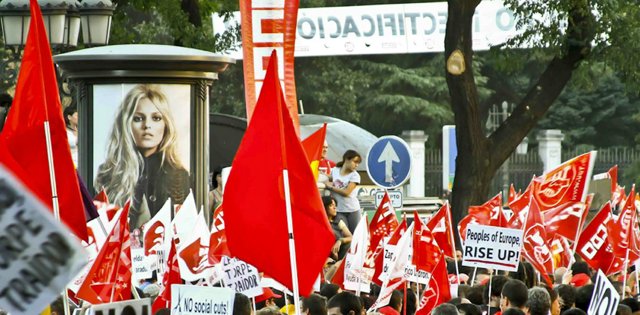
However, as the 1980s progressed, a consensus that had initially united employers and unions began to unravel. The economic landscape changed dramatically with Spain entering the European Economic Community, which brought new competitive pressures. By 1988, tensions peaked, culminating in Spain's first general strike since the dictatorship. This was a massive moment in history, as millions of workers took to the streets to protest against the government's proposed Youth Employment Plan, which threatened to lower wages for younger workers.
The strike, which took place on December 14, 1988, was unprecedented in its scale. Public transport ground to a halt, television programming was interrupted, and a wide array of sectors joined in solidarity. The sheer magnitude of this mobilization sent a strong message to the government, leading to the withdrawal of the controversial Youth Employment Plan and the initiation of better pension plans.
Yet, the road to labor rights continued to be rocky. The early 1990s saw the emergence of economic recession, raising unemployment above 20%. Efforts to resume social dialogue between the government and trade unions faced hurdles, especially with the introduction of reforms that made it easier for companies to hire and fire workers. The discontent brewed once again, leading to another general strike in 1994. Though not as massive as the 1988 strike, it solidified the divide between the government and trade unions.
As we reflect on these events, it’s clear that the evolution of labor rights in Spain is more than just a historical narrative; it’s a testament to the power of collective action and the ongoing struggle for workers' rights. So, let’s keep this spirit alive in our own lives by supporting one another and championing fairness wherever we see it! Until next time, keep nudging and grooving, Nudgeville!


💬 Comments
Log in to join the conversation.
No comments yet.