Senate Democrats Challenge FCC Nominee Amid Partisan Tensions
Political Showdown at the FCC Confirmation Hearing
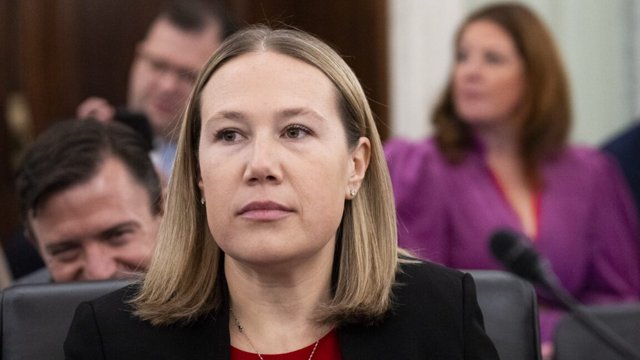
The atmosphere was charged at the Senate Commerce Committee hearing as Senate Democrats voiced strong opposition to President Trump’s nominee for the open seat at the Federal Communications Commission (FCC). With the upcoming shift in congressional power, they argued that it’s inappropriate for the committee to advance a partisan nominee during this so-called 'lame-duck' period.
Senator Ed Markey (D-Mass.) was particularly vocal, stating that the American public's recent rejection of the MAGA agenda justified their stance. The nominee, Danielle Thumann Severs, faced tough questions from Democrats regarding her support for FCC Chairman Brendan Carr's controversial actions against TV broadcasters, including his attempts to remove popular figures like Jimmy Kimmel from the airwaves. The underlying tension in the room highlighted the partisan divide that has gripped the FCC and Congress.
Senator Ben Ray Luján (D-N.M.) predicted that Carr’s days at the FCC are numbered, anticipating that he would frequently face congressional inquiries once Democrats regain control. Luján’s statements underscored the growing frustration among Democrats over Carr's leadership, suggesting he would soon be held accountable for his decisions and policies.
Markey further criticized Thumann Severs for her evasive responses regarding Carr’s aggressive stance against broadcasters and the potential elimination of the E-Rate program, which helps connect students and libraries to the Internet. As Thumann Severs struggled to take a clear position on these critical issues, the Democrats expressed their dissatisfaction, with Senator Tammy Duckworth (D-Ill.) stating she was uncomfortable with her lack of transparency.
As the hearing concluded, it became increasingly clear that the confirmation of Thumann Severs could be more than just a routine process. It serves as a reflection of the larger political battle over the FCC's direction and its role in safeguarding free speech and public access to information. With the clock ticking down to the new congressional session, all eyes are on how this unfolding drama will influence the future of communications regulation in the United States.





💬 Comments
Log in to join the conversation.
No comments yet.