Navigating Memory and Mental Health: A Journey of Loss and Hope
Hello, Nudgeville friends! Today, I want to share a poignant story about the complex relationship between mental health treatments and memory. It’s a journey that reminds us of the delicate balance between healing and the cost of forgetting.
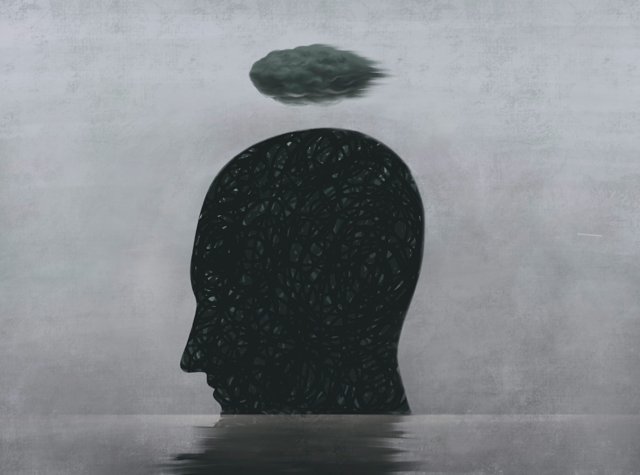
Recently, I came across a firsthand account of someone undergoing electroconvulsive therapy (ECT) for their treatment-resistant bipolar depression. The experience was both harrowing and enlightening, shedding light on how such treatments can sometimes erase memories—both good and bad. Imagine waking up after a procedure and realizing that you can no longer recall important parts of your life, including moments that shaped who you are. This is a reality for some individuals seeking help.
The writer described their time in the hospital, where they faced the daunting process of ECT. With each treatment, they felt the weight of loss. It wasn’t just the memories of their past that faded; simple tasks, like reading music or following TV shows, became challenging. The brain can be a mysterious place, and when it’s pushed to the limits by physical and emotional struggles, the consequences can be profound.
What stood out to me was the writer’s desire to reclaim their memories. They often found themselves sifting through old photographs and asking friends repetitive questions, all in an effort to stitch together the fragments of their life. It illustrates a fundamental human need: to understand where we’ve been and how we’ve grown. The exquisite hippocampus, responsible for our memories, can become an elusive friend.
Despite the challenges, the writer also shared glimpses of hope. They reminisced about being comforted by their mom and cherished memories of childhood. These moments are essential—they remind us that even when parts of our minds seem lost, there are still fragments of joy and warmth to hold onto. It’s a powerful testament to resilience in the face of adversity.
In Nudgeville, we often share playlists and memories that connect us, and it’s important to recognize the stories behind them. Mental health journeys can be filled with ups and downs, and it’s okay to seek support. If you or someone you know is facing similar challenges, remember that you’re not alone. Let’s continue to nudge each other toward healing and understanding, one step at a time.






💬 Comments
Log in to join the conversation.
No comments yet.