Exploring Lost Histories in 'What Remains'
Hey there, Nudgeville friends! Today, I’m excited to dive into the fascinating world of storytelling with a focus on a brand-new novel titled What Remains by Brais Lamela. This debut work takes us through the intricacies of memory, loss, and how history shapes our lives, especially for those who have been displaced. It’s a powerful exploration of past injustices and the means we have to reconstruct them through narrative.
The story kicks off with a Galician PhD student in New York who finds himself daydreaming during a lecture. This isn’t just any lecture; it’s about forensic architecture, the study of how buildings and structures tell stories of their own. While he’s distracted by his own life—his dissertation, his girlfriend Mariana, and the bustling city around him—he grapples with the weighty question of whether it’s truly possible to restore what has been lost. Can we rebuild places that are no longer there, and can storytelling bring a semblance of justice to those who have experienced loss?
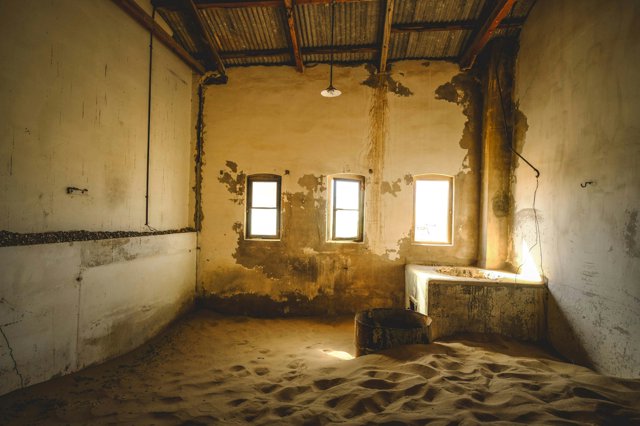
As the narrator delves into the past of rural Galicia, he uncovers a lesser-known chapter of history, where communities were forcibly displaced during Franco’s dictatorship. Villages were submerged to create hydroelectric reservoirs, leaving behind a haunting legacy. He becomes particularly intrigued by a woman whose life was documented in the archives, a figure who was uprooted not once, but twice. It’s this personal connection to the past that prompts him to turn his dissertation into a novel—an act of creative restitution.
But here’s the twist! Lamela cleverly plays with the narrative structure, allowing characters like Mariana to break the fourth wall and challenge the narrator's version of events. This invites readers to think critically about how stories are told and whose voices are included—or excluded. The novel reminds us that both historical records and fiction are not straightforward accounts of the past; they are shaped by the perspectives of those telling them. In this way, Lamela highlights the importance of acknowledging the limitations of storytelling while also celebrating its power to give voice to the voiceless.
In essence, What Remains is not just a tale about recovery; it’s a reminder of the complexities of memory and the narratives we create. It urges us to confront the past, however uncomfortable it may be, and to recognize the stories that shape our identities. So, if you’re looking for a thought-provoking read that resonates with themes of loss and resilience, this novel might just be the perfect addition to your reading list!





💬 Comments
Log in to join the conversation.
No comments yet.