The Media's Missteps: Celebrity Trials and the Truth About Rape
Rethinking Media Narratives in Celebrity Rape Trials
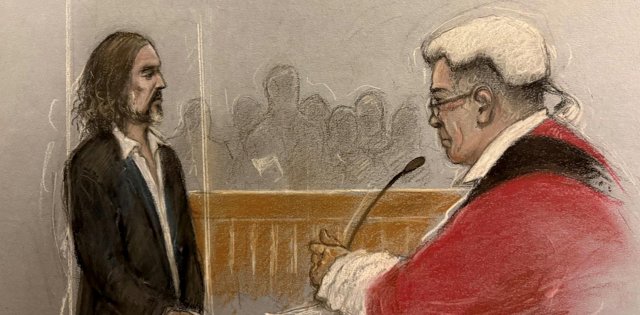
Hey there, fellow music lovers! Today, I want to dive deep into something much heavier than our usual emo anthems and pop-punk jams. I recently stumbled upon a discussion about how the media covers celebrity rape trials, and it sparked a thought-provoking mix of emotions. When a high-profile figure like Russell Brand is sentenced for serious crimes, it’s crucial that we not only acknowledge the event but also scrutinize how it’s reported. Too often, the focus shifts away from the victims and the realities of sexual assault, and instead, it gets tangled up in sensationalism and myths.
One of the most troubling aspects of this coverage is the prevalence of what’s known as the "monster myth." This is the belief that rapists are monstrous strangers lurking in the shadows, preying on innocent victims. Data shows that the majority of sexual assaults are committed by someone the victim knows, often an intimate partner. Yet, media narratives frequently perpetuate this dangerous myth, shaping public perceptions in a way that minimizes the true nature of these crimes.
The recent trials of celebrities have shown us that even in cases where accountability is finally being sought, the headlines often reflect a skewed narrative. Research indicates that almost half of the headlines in certain cases relied on rape myths, which detracts from the important conversations about the victims and the societal issues at play. In cases involving domestic violence, for instance, articles are scarce, and the focus remains on the sensational aspects of celebrity rather than the lived realities of many survivors.
What’s particularly concerning is that when media outlets do report on these cases, they often fail to protect the anonymity of the victims. Courts sometimes issue pseudonyms to preserve the identity of those involved, yet the media could easily adopt these measures while still informing the public. The lack of attention to these details only reinforces the stigmatization of victims and continues to perpetuate harmful narratives.
So, how can we better approach these topics? As consumers of media, we should demand more accountability from journalists and encourage narratives that center the stories of survivors. It’s time to shift the focus from the celebrity to the systemic issues that allow such behavior to persist. Just like our favorite bands used their music to challenge the status quo, we can also advocate for change in how the media discusses these vital issues.
As we jam out to our favorite tracks, let’s remember that behind every headline and every trial, there’s a need for compassion and understanding. Let’s hold the media accountable and ensure that the stories of survivors are told with the gravity they deserve. Keep it real, friends!





💬 Comments
Log in to join the conversation.
No comments yet.