Understanding the Recent Nationwide Flight Grounding Incident
What Happened to Flights Across the U.S.?
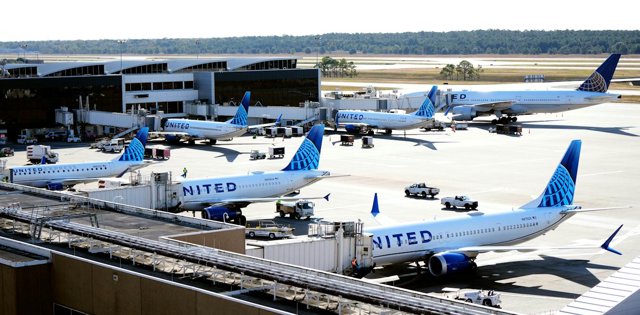
On a typical Friday, millions of travelers were ready to take off to their next adventure. However, an unexpected telecommunications failure resulted in a nationwide grounding of flights across the United States for over four hours! Imagine the chaos at airports with thousands of passengers suddenly left stranded. This incident serves as a reminder of how interconnected our air travel system is and how a single technical hiccup can have widespread repercussions.
The Federal Aviation Administration (FAA) issued an alert due to what they described as "extraordinary circumstances," leading to all departing flights being halted until further notice. Remarkably, around 3,500 flights were already in the air when the alert came through, and thankfully, they all managed to land safely. But the situation left many travelers waiting at terminals for updates, highlighting how crucial communication is within the aviation industry.
So, what exactly caused this disruption? It turns out, the issue stemmed from maintenance work done by L3Harris, a government contractor, at a remote FAA facility. They were in the process of upgrading the telecommunications system, replacing old copper wires with fibre-optic links. While that sounds like a positive change, the switch also involved transitioning from an older signaling method called time-division multiplexing (TDM) to a newer system based on internet protocol (IP). Unfortunately, during this upgrade, a router malfunctioned and sent an overwhelming number of connection requests, which disrupted communication among crucial aviation systems.
This shift from TDM to IP is significant because it affects how data is transmitted across networks. Think of TDM like a single-lane bridge, allowing only a few cars through at a time, while IP acts like a multi-lane highway that can handle more traffic simultaneously. However, if something goes wrong with a component in an IP network, it can lead to widespread issues, as seen during this incident. The exact cause of the router's erratic behavior is still under investigation, with possibilities ranging from installation errors to faulty equipment.
Communication is the backbone of air traffic management. Air traffic controllers rely on consistent and reliable data from radar and satellite systems to ensure safe aircraft movements. When this network is compromised, even temporarily, controllers can’t manage the usual volume of air traffic safely. This incident, while alarming, isn’t unique; similar failures have occurred before, reminding us of the fragility of our technological systems that we depend upon every day.
In a world increasingly reliant on technology, incidents like these remind us of the importance of robust communication systems in the aviation sector. As we look to the skies for our next journey, let’s appreciate the unseen efforts that keep us safe while soaring through the air!






💬 Comments
Log in to join the conversation.
No comments yet.