Navigating the Green Agenda: Andy Burnham's Balancing Act
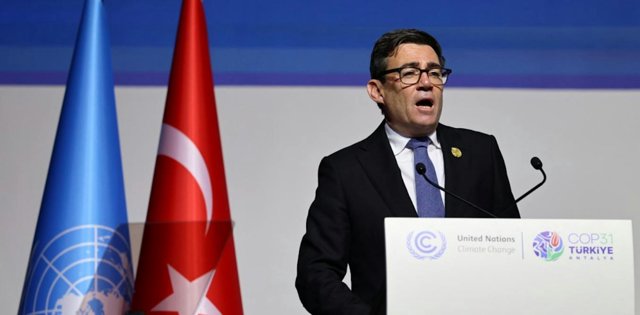
Recently, Andy Burnham made waves at the UN climate summit, COP31, in Turkey, pledging a "new era of British leadership" in tackling climate issues. However, his approach seems to tread a fine line between appeasing environmentalists and catering to consumer demands. With recent decisions like approving a new gas field in the North Sea and extending the freeze on fuel duty, many are left scratching their heads about where he truly stands on environmental matters.
Burnham's government has faced criticism from green activists, especially with moves like slashing support for heat pumps and backing the controversial expansion of Heathrow Airport. Yet, in a surprising twist, some believe that Burnham could actually be the key to advancing the UK's ambitious net zero goals by 2050. His focus is distinctly consumer-oriented, suggesting that making life easier for consumers could also lead to reduced fossil fuel dependence.
In the past, it appeared that the UK was veering towards a right-wing populist government under Nigel Farage, who openly opposes net zero targets. However, Labour, under Burnham’s leadership, is gaining traction in the polls, raising questions about how he has managed to shift the political landscape. His strategy seems to revolve around three primary approaches to environmental policy: de-growth, boosterism, and a consumer-first agenda.
The consumer-first approach may have its merits. For instance, while the target for electric vehicles (EVs) in the UK is set at 80% by 2030, Burnham appears willing to adjust this target if it means keeping costs manageable for consumers. Interestingly, the UK has opted not to impose taxes on inexpensive electric vehicles imported from China, which might inadvertently increase EV adoption rates.
Additionally, the approval of the Jackdaw gas field carries its own set of complexities. Proponents argue that domestic gas extraction could be less harmful than relying on imported gas, which may be more polluting. While this move may not significantly affect global gas prices, it could bolster the government’s energy wealth fund, directing revenue towards renewable investments and potentially lowering electricity bills for consumers in the long run.
However, there’s a catch. Some decisions, like freezing fuel duty, could hinder the shift toward electric vehicles and, ultimately, a greener future. Protecting consumers from rising petrol prices might seem beneficial in the short term, but it could discourage the transition to more sustainable options, leading to higher electricity costs overall. Balancing the needs of consumers and environmental goals is no small task, and as Burnham navigates this landscape, it remains to be seen how his choices will impact both the planet and the people.





💬 Comments
Log in to join the conversation.
No comments yet.