FAA Telecom Woes: A Glitch in the Skies
FAA Telecom Woes: A Glitch in the Skies
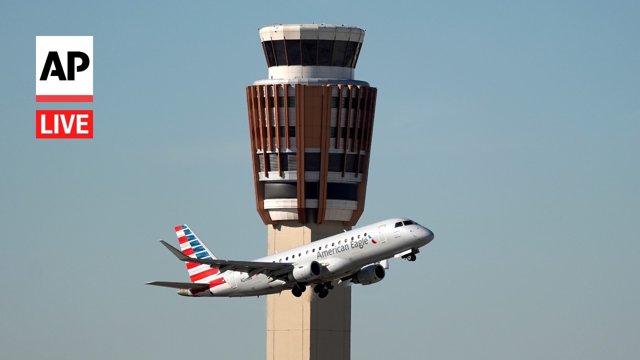
Hey there, tech aficionados! It seems that even in our high-flying world, the tech that keeps us soaring can sometimes hit turbulence. Recently, the FAA faced a major hiccup that led to a nationwide halt of all commercial flights across the U.S. This incident was attributed to outdated telecommunications gear, a reminder that sometimes the old tech just can’t keep up with the fast pace of modern demands.
During a press conference, Homeland Security Secretary Markwayne Mullin made it clear that this was not some dramatic cyberattack or glitch caused by the latest Microsoft 365 outage, which had the online community buzzing. Instead, the culprit was the FAA's aging infrastructure, specifically equipment that seemed to have been living in the past—think 1980s copper lines! It’s a bit shocking to think that critical air traffic control systems are still relying on such old tech.
According to Transportation Secretary Sean Duffy, the FAA's older switches and routers became overloaded with data, leading to inconsistent information being fed to air traffic controllers. The newer equipment held up fine, which is a testament to the advancement in technology we see today. But it raises the question: why is the FAA still using this outdated gear when we’re in the age of sleek smartphones and high-speed internet?
As reported, the situation escalated when the FAA was integrating new equipment into their systems. It’s almost like trying to fit a brand new sports car engine into a classic car with a rusty chassis. Mullin mentioned that as new tech was being installed, it overwhelmed the older systems, leading to the chaos that grounded flights for several hours. The FAA is in the process of modernizing their telecom network, but with a completion goal set for 2028, it’s clear there’s a lot of work to be done.
What’s even more interesting is how the FAA is pushing for Congress to allocate additional funds to speed up this modernization. They’re asking for a whopping $50 billion to enhance aviation infrastructure. It’s a clear signal that the skies need to be backed by robust technology that can handle today’s demands. With the new cloud-based system, SMART, pulling in data from a multitude of streams, it’s crucial that the supporting telecommunications can keep up. Let’s hope the FAA can get the funding and tech overhaul it desperately needs to keep our skies safe and efficient!





💬 Comments
Log in to join the conversation.
No comments yet.