The 'Dead Internet Theory': Are Bots Taking Over Our Digital Lives?
Understanding the 'Dead Internet Theory'
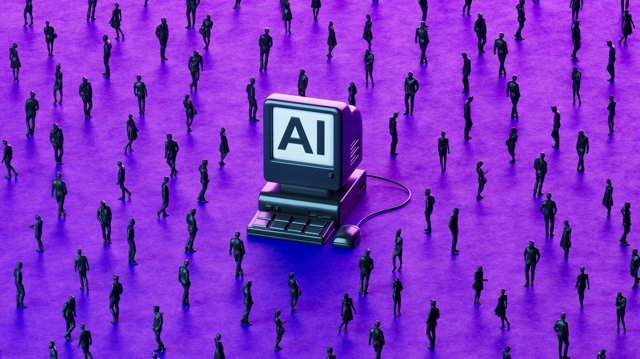
Have you ever scrolled through social media and felt a little strange about the content? Maybe it seems too polished or oddly repetitive, almost as if it lacks a human touch. Welcome to the 'Dead Internet Theory,' a concept that’s been buzzing around the web for a while now, suggesting that a significant portion of online activity is driven by bots rather than people. As we dive deeper into the digital age, this theory raises some intriguing questions about the authenticity of our online experiences.
The Dead Internet Theory first popped up on internet forums in the late 2010s, gaining traction with a post on Agora Road in 2021 that argued the internet felt increasingly empty. The theory posits that the real turning point came around 2016, when AI-generated content started to dominate our feeds and search results, leading to a sense of disconnection from genuine human interaction.
Bots on the Rise
Fast forward to today, and it’s clear that bots are not just a passing phase; they have fully integrated into our online lives. A report from cybersecurity group Thales revealed that bots accounted for over half of all web traffic in 2026, a statistic that should make anyone pause and think. With platforms like Meta acquiring networks where AI chatbots converse with one another, we are starting to see a landscape where humans are potentially sidelined in discussions that matter.
- In 2024, 33% of Americans reported using chatbots; by 2026, that number jumped to nearly 50%.
- Everyday tasks, from writing essays to job applications, are becoming automated, further removing the human element from these processes.
- This shift can create a somewhat eerie environment, where conversations and posts feel scripted and devoid of emotion.
The Bigger Picture
The implications of the Dead Internet Theory extend beyond just personal discomfort. With bots capable of spreading disinformation, particularly around elections, the stakes are incredibly high. Many people are raising concerns about the negative impact AI will have on society, with a Pew Research study indicating that 40% of Americans are wary about the future of AI.
In response to the growing concerns about AI-generated content, initiatives like the EU AI Act and AI detection technologies are emerging to help users discern between human and artificial creations. These measures are essential in reclaiming the human-centric connections that many of us initially sought when exploring the vastness of the internet.
As we navigate this evolving digital landscape, the Dead Internet Theory serves as a reminder to stay vigilant and prioritize authentic interactions. Whether we’re chatting with friends or scrolling through our feeds, let’s strive to keep the human spirit alive in our online experiences!



💬 Comments
Log in to join the conversation.
No comments yet.