Exploring Bruce Pascoe's Vision in 'The European Mind'
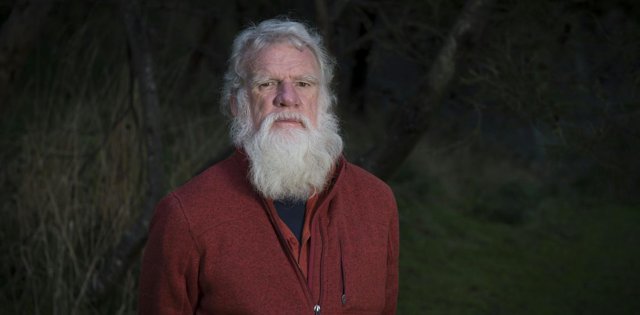
Hey there, fellow stargazers and earth lovers! Today, let's dive into some thought-provoking ideas from Bruce Pascoe's new book, The European Mind. As someone who’s passionate about our planet and its history, I find Pascoe's work particularly fascinating, especially as he explores the intricate relationship between agriculture, colonialism, and our understanding of the land.
Pascoe, an honorary professor at the University of Melbourne, challenges us to rethink how we view food production and land care. In his previous book, Dark Emu, he highlighted the sophisticated agricultural practices of Indigenous Australians, and now he expands that conversation by addressing what he calls “the European mind.” This concept encapsulates the dominant ideas that have shaped our approach to agriculture and land management, often to the detriment of both the environment and Indigenous knowledge.
One of the key arguments Pascoe makes is that the conventional, industrialized methods of farming we often take for granted aren’t the only way to sustain ourselves. He reminds us that before colonization, many cultures, especially Indigenous Australians, operated with a deep understanding of the land that allowed for sustainable food practices. By recognizing these methods, we can start to heal our relationship with Mother Earth and reconsider our own practices.
Throughout The European Mind, Pascoe presents a series of essays that are rich in historical references and anthropological insights. He urges readers to acknowledge the destructive impact of colonial agriculture, which has often been imposed on diverse cultures that had their own sustainable methods. He challenges the myth that ploughing is the only way to effectively farm, advocating instead for a recognition of diverse agricultural practices that are better suited to different ecosystems.
As we explore these ideas, it’s clear that Pascoe isn't just recounting history; he's inviting us to envision a future where our understanding of land and food systems can lead to a more responsible and caring relationship with our environment. His call to “decolonise our minds” isn't just a lofty ideal—it's a necessary step if we want to create a sustainable future for all. So, next time you gaze up at the stars, remember that the Earth beneath your feet has its own stories to tell, and it's up to us to listen and learn!
💬 Comments
Log in to join the conversation.
No comments yet.