Auroras: Nature's Light Show and the Impact of Space Weather
Nature's Dazzling Display
Have you ever gazed up at the night sky and been mesmerized by the ethereal colors of the aurora? These vibrant, rippling curtains of green and red light are one of the most stunning phenomena our planet has to offer. But did you know that there’s a fascinating connection between these celestial displays and what happens right here on Earth?
The Influence of Space Weather
At the heart of this connection is something called space weather, which refers to changes in our planet's environment caused by solar activity. When the sun releases bursts of energy, known as coronal mass ejections (CMEs), it sends charged particles hurtling towards Earth. While these particles create breathtaking auroras, they can also pose risks to our power grids and technology.
How Auroras Form
When a CME reaches our planet, it interacts with Earth’s magnetosphere—a protective magnetic shield surrounding our planet. If the magnetic field of the CME aligns just right, it can connect with Earth’s magnetic field and create what’s called a magnetotail. As solar winds push these magnetic field lines, they store energy until they reconnect in a dramatic explosion known as a substorm.
During a substorm, charged particles are released and race towards Earth. When they collide with the gases in our atmosphere—specifically oxygen and nitrogen—high above the ground, they produce the beautiful light displays we associate with auroras. It’s a breathtaking spectacle, but the excitement doesn’t stop there!
The Ground Beneath Our Feet
These energetic particles also generate strong electrical currents in the upper atmosphere, which can disrupt the magnetic field at the surface. This is where the potential danger lies; rapid changes in the magnetic field can induce unwanted electric currents in power lines, risking damage to transformers and even causing outages.
Understanding the Connection
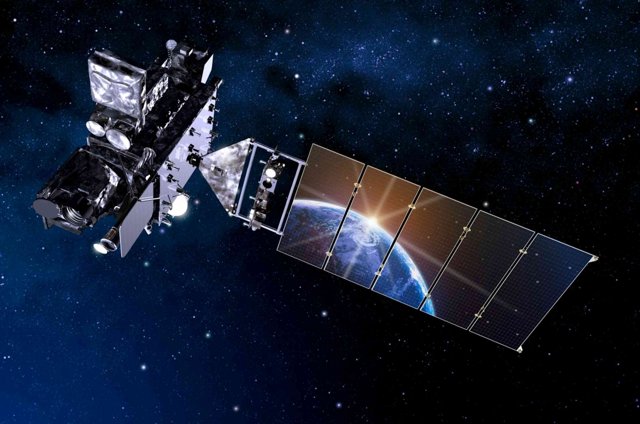
Scientists are working diligently to understand how these auroras are linked to disturbances in the magnetic field and how quickly these disturbances can impact our planet. By examining data from various NASA spacecraft and ground-based networks, researchers are piecing together the complex puzzle of space weather.
So the next time you find yourself under a sky alive with auroras, remember: this beautiful phenomenon is not just a stunning light show but a reminder of the dynamic relationship between our planet and the cosmos. It’s a dance of particles and magnetic fields that connects the heavens to the Earth beneath our feet!

💬 Comments
Log in to join the conversation.
No comments yet.